
Global Engineering Days: A Cultural Moment Engineered at Scale
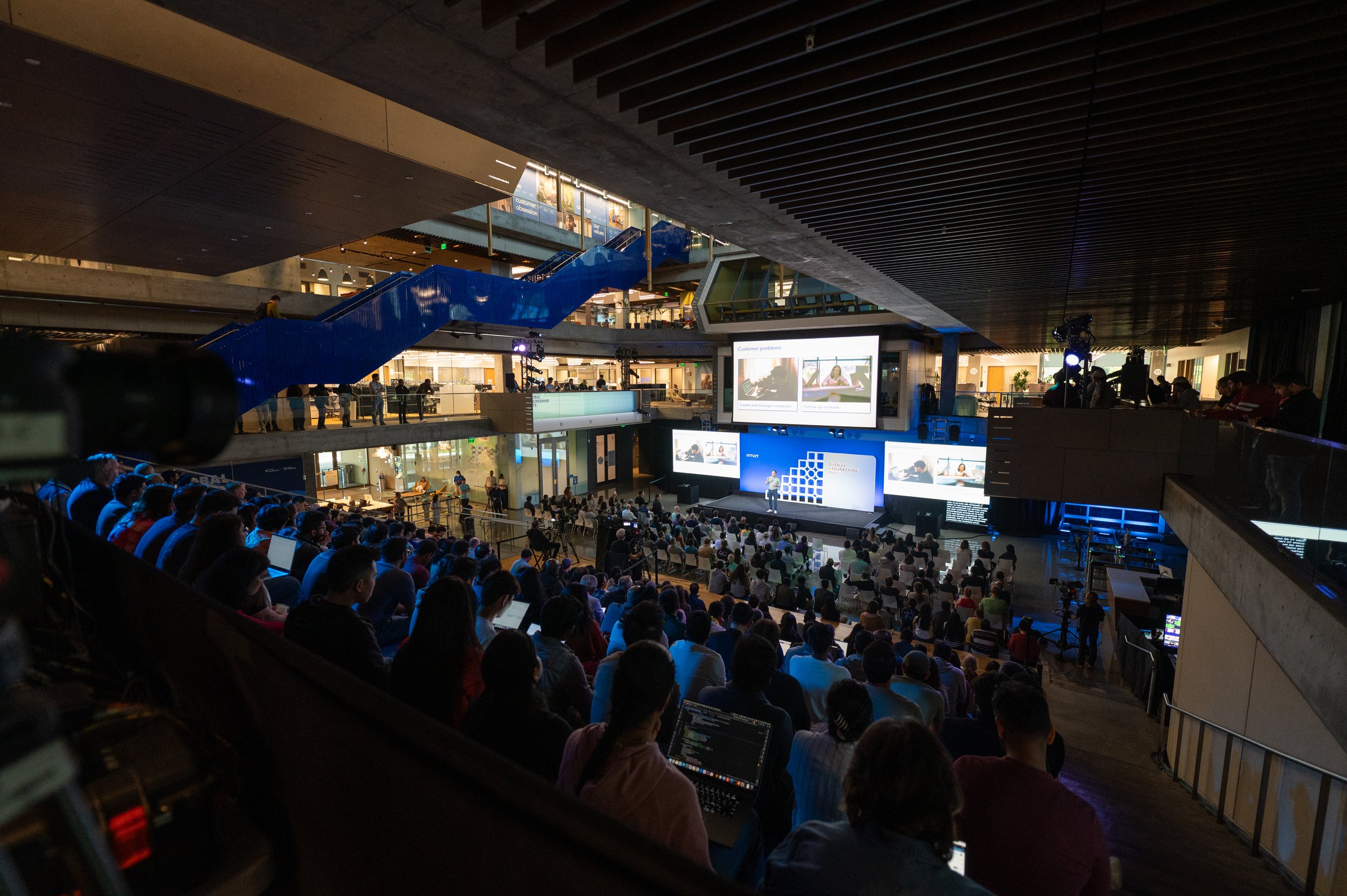
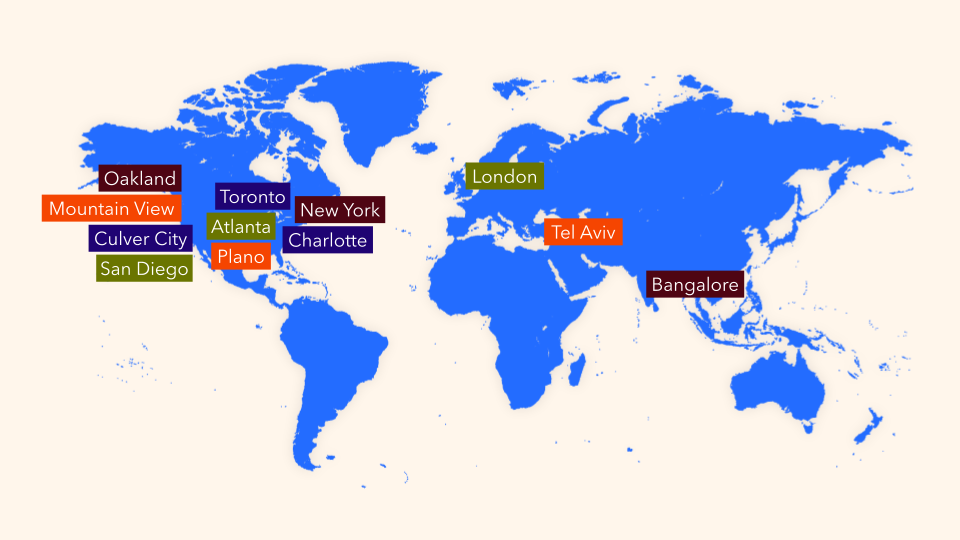
Global Engineering Days is Intuit's twice-a-year, week-long innovation sprint. Hosted at 13 Intuit locations from San Diego to Toronto to Tel Aviv to Bangalore, GED brings thousands of technologists together to step away from their roadmap work, form small cross-functional teams, build something new, and test it with a real customer. As Tech Domain Lead, Strategy, I have led the program across six cycles, from theme and design strategy through executive narrative, on-site experience, and post-event reflection.
The week looks like a hackathon, but it is something more deliberate. It is a structured cultural moment for an organization that is trying to move toward an AI-native, customer-obsessed way of working, and that needs its global builder community to actually believe and live that shift along the way.
My job is to design the moment so it feels like permission to invent, not another mandatory training, and to make sure the work people ship during that week actually moves the company forward.
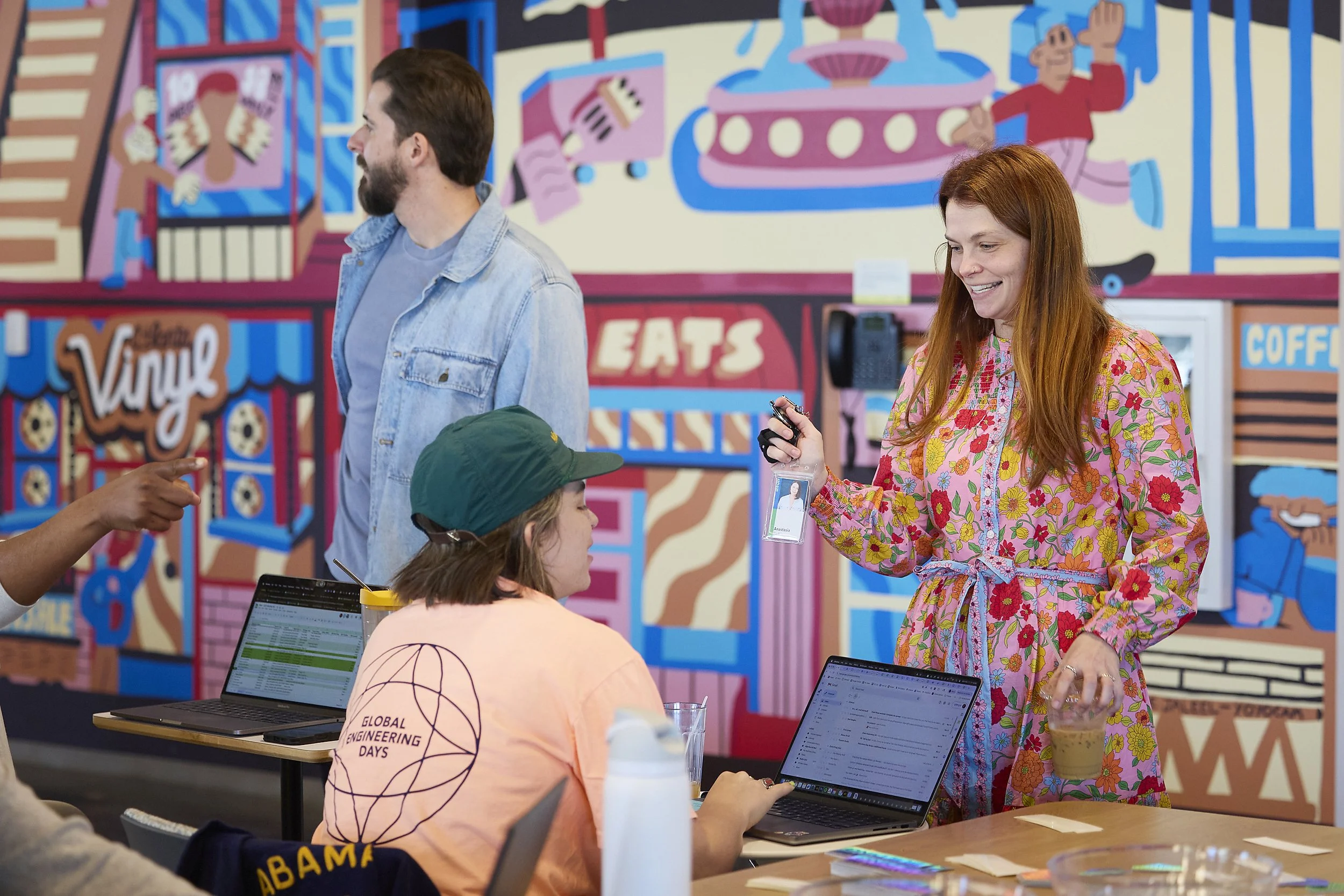
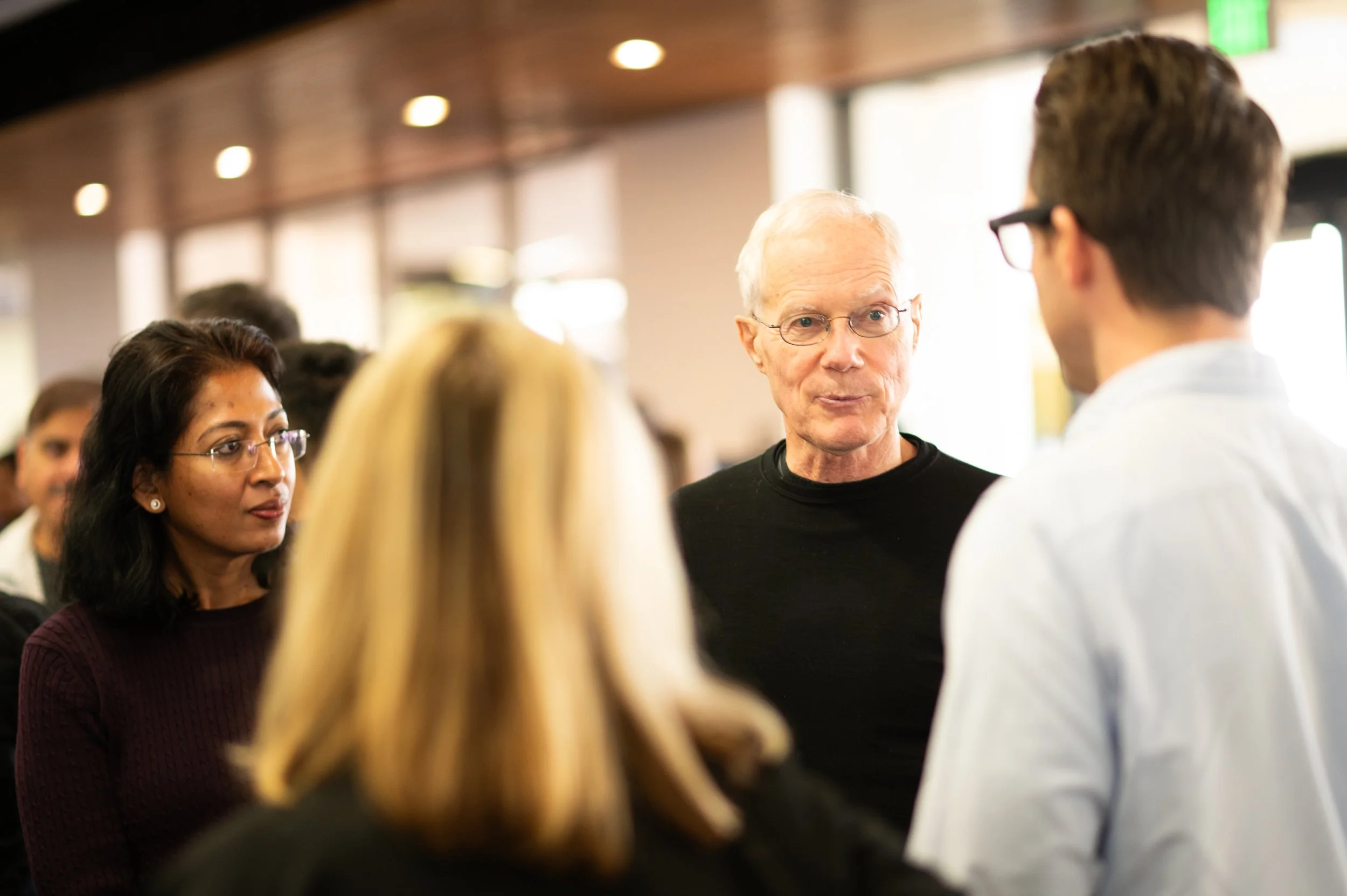
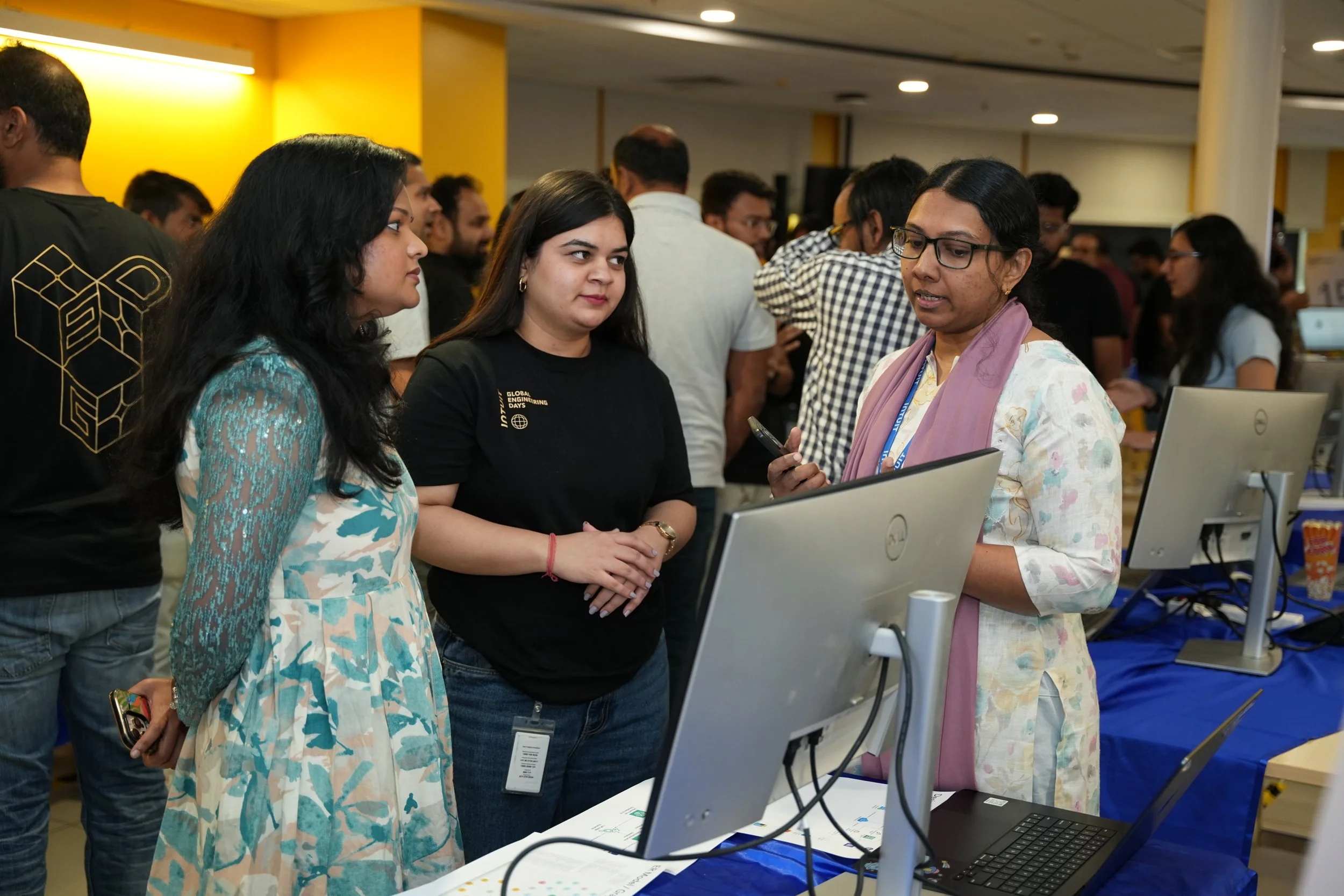
At a glance
Led strategy across 6 Global Engineering Days
8,500 participants
13 global sites
2,800+ projects
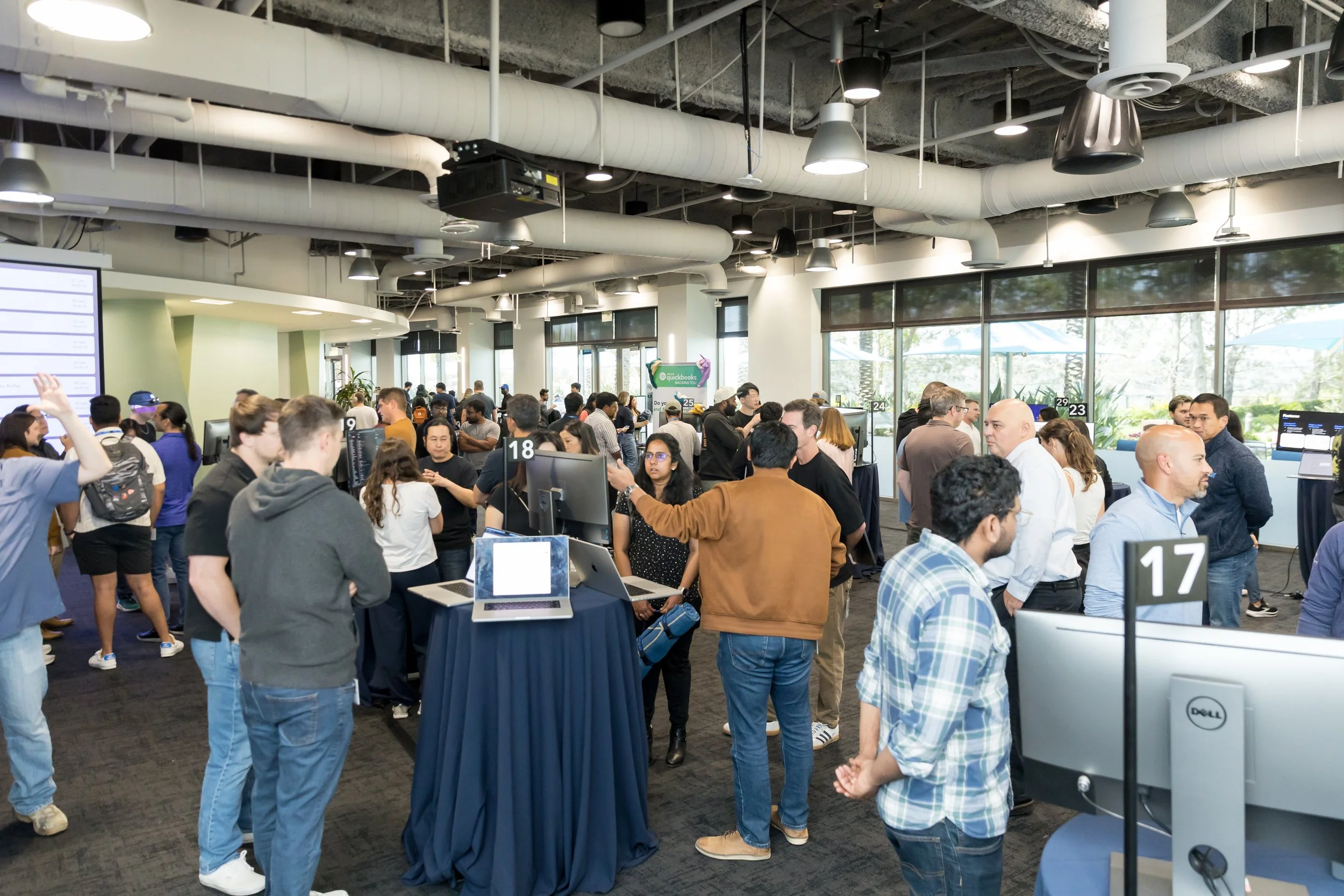
900+ demos
Helped drive AI adoption across engineering
Co-authored CTO keynote for Intuit Connect
Curated conversations with Steve Wozniak, Ethan Mollick, and Steve Sewell
Overview
The most recent cycle drew nearly 8,500 participants, more than 2,800 projects, and over 900 teams showcasing their work at the closing day Gallery Walks. Over 90% of the projects were using AI at the core, with a significant focus on agentic AI: teams built agents to onboard customers, automate routine tasks for tax professionals, navigate financial marketplaces, and even attend meetings on your behalf. The 2025 Intuit Connect keynote, which I co-authored on a compressed timeline, threaded the same narrative into the company's most visible external stage of the year, framing GED's work for an audience well beyond the engineering org.
"This GED is all about done-for-you experiences—customer solutions that are so effortless, they feel like they're magic. Our AI proficiency enables us to build these transformative experiences that simplify solutions and drive business outcomes for Intuit."
— Alex Balazs, CTO, Intuit, at the GED kickoff
Role
I lead the program end to end. That means setting the theme each cycle, partnering across customer research, innovation, comms, and events teams, shaping the executive narrative for the CTO and Chief Architect, contributing to the design strategy for the visual identity, photography, video, and environmental design, running the on-site experience across global sites, and closing the loop with metrics and follow-through that feed the year-round innovation pipeline.
On the design side, my role is not to make the artifacts. My role is to set the strategy and land it: defining what the system needs to do, who it is speaking to, how it ladders up to the year's tech narrative, and how every touchpoint works together. The designers and partners I work with are the ones with their hands on the file. I am the one who decides what the system should speak to.
Workshop Week: the curriculum behind the sprint
GED looks like a week of building. What makes it work is the week before: Workshop Week, the hands-on curriculum that takes thousands of technologists from "I've heard about agents" to "I've built one" before the sprint starts. Workshops were once lightly attended, in-person, and concentrated in one time zone. I redesigned the program around a few stubborn principles. Every session is hands-on, so participants leave having shipped something: an agent, an evaluation pipeline, a customer research analysis, a real UI fix. Every session knows its audience, because AI fluency isn't just an engineering goal; some of the most important workshops teach product managers and designers to ship production changes with no code at all. Every workshop runs in two scheduled tracks, one timed for North America and one for the rest of the world, so an engineer in Bangalore gets a live seat at a humane hour instead of a recording of a meeting that happened while she slept. And every session is recorded and published with its materials, becoming a self-serve library the moment the week ends.
Live participation grew multifold over a year, with thousands more reaching the content in replays. Each cycle the curriculum is rebuilt around what builders need right now; the current one is entirely AI-native. By the time the sprint begins, the tools are already in everyone's hands. That's the point.
Process
Customer obsession, made structural
When I took over, customer testing was an aspiration, not a behavior. A small fraction of teams were doing it. I worked with internal partners across customer research, innovation, and events to redesign the experience around a single mandate: customer testing became a requirement for project completion. We paired the requirement with new supports including workshops, recruiting tools, dedicated office hours, and customer interview guides.
Participation jumped by an order of magnitude in a single cycle. That is not a campaign result. That is a behavior change.
Curating Conversations on the Future of Technology
I shaped the speaker strategy by identifying and advocating for thought leaders whose work aligned with the organization’s evolving AI and engineering priorities.:
Steve Wozniak — Apple co-founder and engineering pioneer
Ethan Mollick — Leading researcher on artificial intelligence and the future of work
Steve Sewell — Founder & CEO of Builder.io, advancing AI-powered software development
Working closely with cross-functional partners, I help transform these conversations into engaging experiences that inspire thousands of engineers, designers, and product managers while accelerating innovation and AI adoption across the organization.
Two executive stages in fourteen weeks
I co-authored the CTO keynote for Intuit Connect, building on a narrative we had stress-tested at our internal leadership forum a month earlier. The keynote landed three live demos that gave our platform story something tangible to hold. The drafting and delivery happened on a compressed timeline alongside legal, senior leadership, and the CTO. The same narrative thread then anchored the next GED, which let our global tech org feel exactly how their week of building connected to the main stage.
Behavior change is the actual product
Big numbers are useful, but the point of the program has never been numbers. It is to give thousands of technologists permission to do their craft, in public, in community, with stakes. The whole experience is engineered around that. Pre-event workshops lower the cost of trying something new. Customer testing infrastructure is set up before anyone signs up, so the moment a team has an idea they have a customer waiting. The Gallery Walk on the final day puts senior leaders eye to eye with the most junior engineers and their prototypes. The week ends with public proof points and private inspiration, and the projects flow into the year-round innovation pipeline that ultimately serves Intuit's roughly 100 million consumer and business customers.
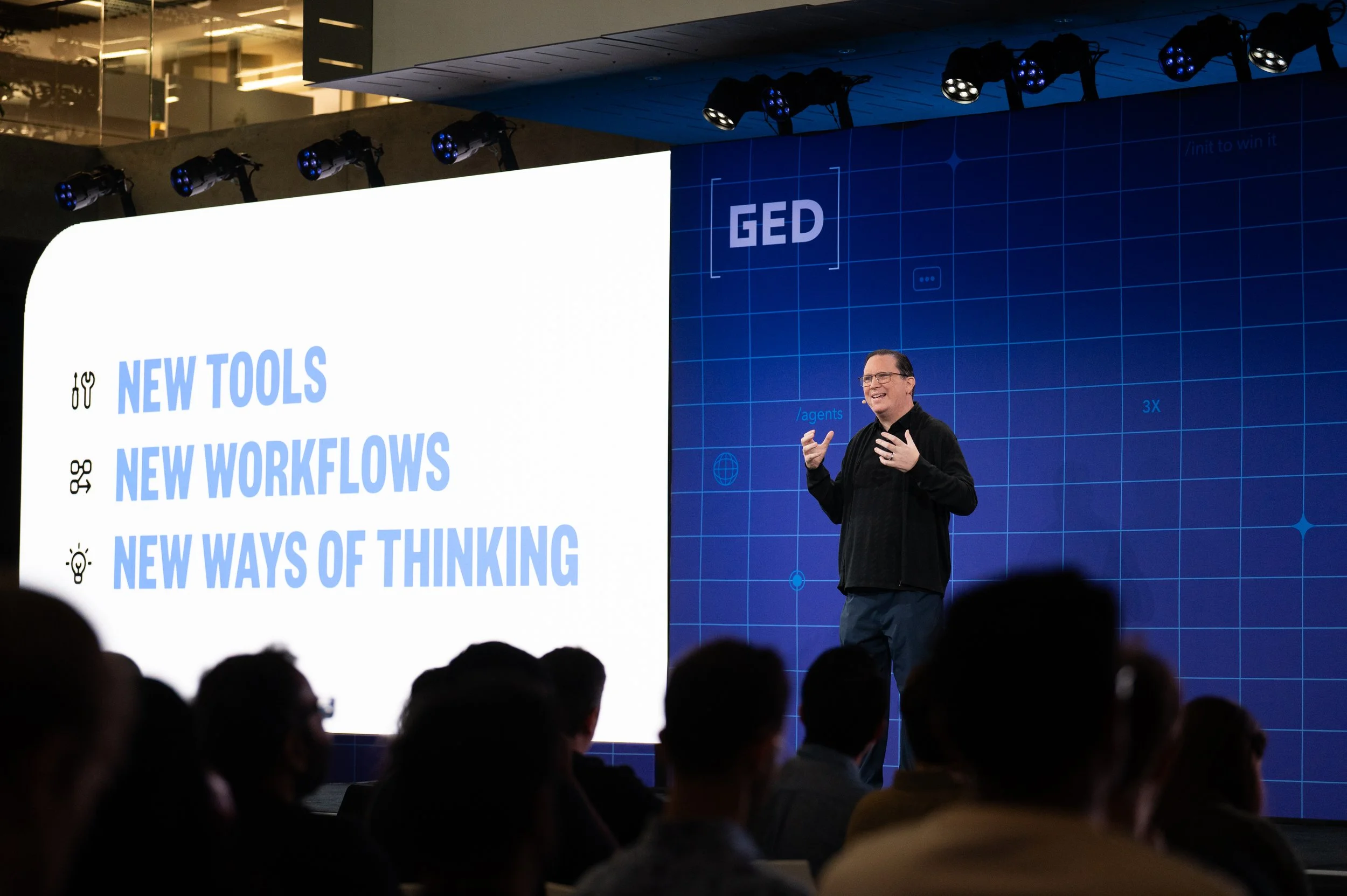
"The use cases for AI that are unfolding in front of our eyes enable us to completely rethink the way our customers interact with us, and how they run their businesses. GED is the time to learn, innovate, and explore AI technologies—and particularly AI agents."
— Chris Kasten, Chief Architect, Intuit, on stage at the GED kickoff
What I am carrying forward
What I have learned over six cycles is that behavior change at this scale only sticks when the program treats people like builders, not like employees being trained. Every cycle I have tried to remove one more piece of friction between a builder's curiosity and a customer's feedback. The next bet is an AI-assisted framework that helps surface the strongest projects post-event for further investment, so that a project that excited a small room one week can become a real bet by the next cycle.
Collaborators
Led with a core team of program managers, designers, comms partners, and producers across Intuit, with executive support from CTO Alex Balazs and Chief Architect Chris Kasten, and external creative partners across cycles.
For more on the program, see Intuit's own write-up: AI-powered experiences take center stage at Intuit's Global Engineering Days.