• Work
  • Story
  • Writing
  • Teaching
  • Archive
  • Ping Me
Menu

Niki Selken

  • Work
  • Story
  • Writing
  • Teaching
  • Archive
  • Ping Me

TECHNOLOGY IS NEVER AS NEW AS IT LOOKS.

Computer Picnic is an editorial project by Niki Selken connecting today’s technology stories to overlooked histories in art, media, books, and internet culture.

World Translation Foundation: Group Research Presentation for MS2

May 11, 2014

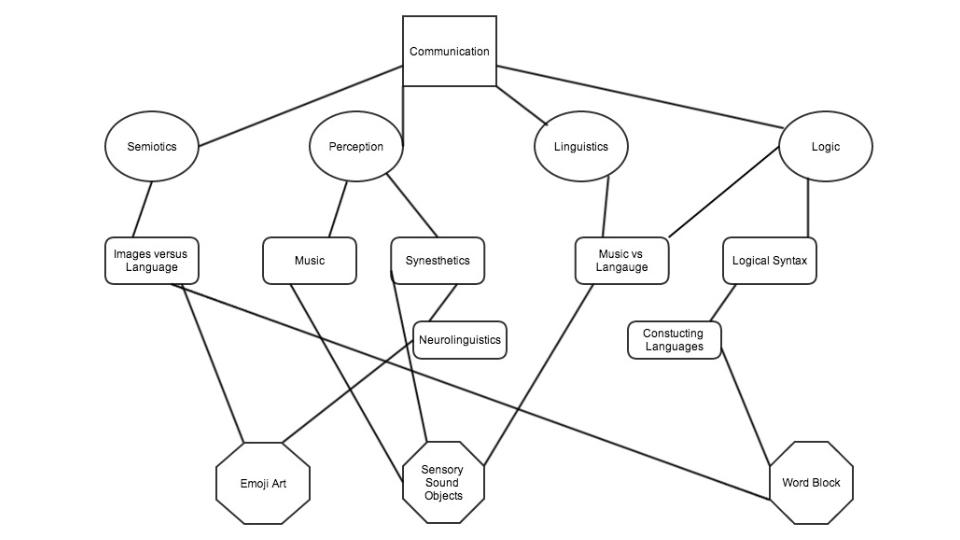
The Curiosity of Language is a research presentation given my Ezgi Ucar, Niki Selken and Xiaoqi Liu. We discussed linguistics, logic, semiotics and perception as they related to our respective projects. 

In Parsons MFADT, Major Studio 2
← World Translation Foundation Concept MapQUIZMET →

Subscribe

Thank you!

AI Design

Virtual  Reality

Game Design

Emoji Art and Design

Museum Interaction Design

Thesis

What I'm Thinking About

Parsons MFAD+T Projects

No results found

Fresh Posts

People are literally blocking Flock cameras. What does a book published in 2002 have to do with it? CTRL [SPACE]: Rhetorics of Surveillance from Bentham to Big Brother traces a history from Bentham’s Panopticon to the 2,397 surveillance cameras documented in Manhattan in 1998, JenniCam, and machines that don’t merely record us, they interpret what they see. The book didn’t predict Flock cameras. It gives us the history and vocabulary to understand why the camera at the end of the block is more than a camera. Today, the important question isn’t only how many cameras surround us. It’s what happens after an image is captured: how it is analyzed, connected to other records, stored, and made searchable. The book calls the ability to understand these systems “surveillant literacy.” Twenty-four years later, that literacy feels essential. I wrote more about the book and the history connecting it to the surveillance systems appearing on our streets today. Read “The Camera at the End of the Block” and find links to borrow or buy CTRL [SPACE] at the link in my bio. Flock protest photograph: Meg Anderson/NPR. #ComputerPicnic #FlockCameras #Surveillance #DigitalCulture TechnologyHistory
DATALAND did not appear from nowhere. In 2016, Gray Area and Google presented what has been described as the first exhibition of generative AI art. That same year, Meow Wolf opened a world audiences could physically enter. Later, through Gray Area’s Experiential Space Research Lab, I explored how immersive environments could do more than entertain. They could encourage agency, critical thinking, and new relationships between people, technology, and living systems. Now Refik Anadol’s DATALAND brings those histories together through AI, environmental data, biosensing, and responsive space. The biggest shift is not simply that AI has entered the museum. The museum itself is becoming a living system. I wrote about the longer history behind this Reel, what excites me about DATALAND, and the ethical questions a responsive museum must confront. Read the full story through the link in my bio. #DATALAND #RefikAnadol #AIArt #ImmersiveArt #DigitalArt #MuseumFuture

What I'm Thinking About

  • AI Design (1)
  • Arts for Survival (1)
  • Computer Picnic (1)
  • DJing (1)
  • Ko Labs Theater Collective (1)
  • Music Blog (1)
  • Teaching (1)
  • VR (1)
  • Game Design (2)
  • MUSIC (2)
  • Museum Interaction Design (2)
  • Wearables (3)
  • PERFORMANCE (4)
  • Web Design and Code (6)
  • Major Studio 2 (10)
  • Design (16)
  • Parsons MFADT (16)