
BitRate: A Music + Machine Learning Hackathon with Google Magenta
In the summer of 2020, when every gathering had to be reinvented for a world stuck at home, I designed and produced BitRate, a month-long music and machine learning hackathon created by Gray Area with Google Research's Magenta team. The premise was simple and a little audacious: take an open source ML research project and hand it to artists, musicians, and curious beginners around the world, then give them everything they need to make something real with it.
825 participants. Dozens of countries. One month. No prior knowledge required.
Role
As Creative Development Director at Gray Area, I led the program design and production: shaping the format with the Magenta team, structuring the workshop curriculum, defining judging criteria and prizes, recruiting instructors, and running operations across Devpost and Slack. I also served as a judge alongside Magenta research scientists Douglas Eck and Jesse Engel.
Process
The design problem was not the technology. It was the distance between "machine learning research library" and "person with a musical idea." Most people who wanted to play with AI and music had no idea where to start, and a traditional weekend hackathon would have rewarded only the people who already knew.
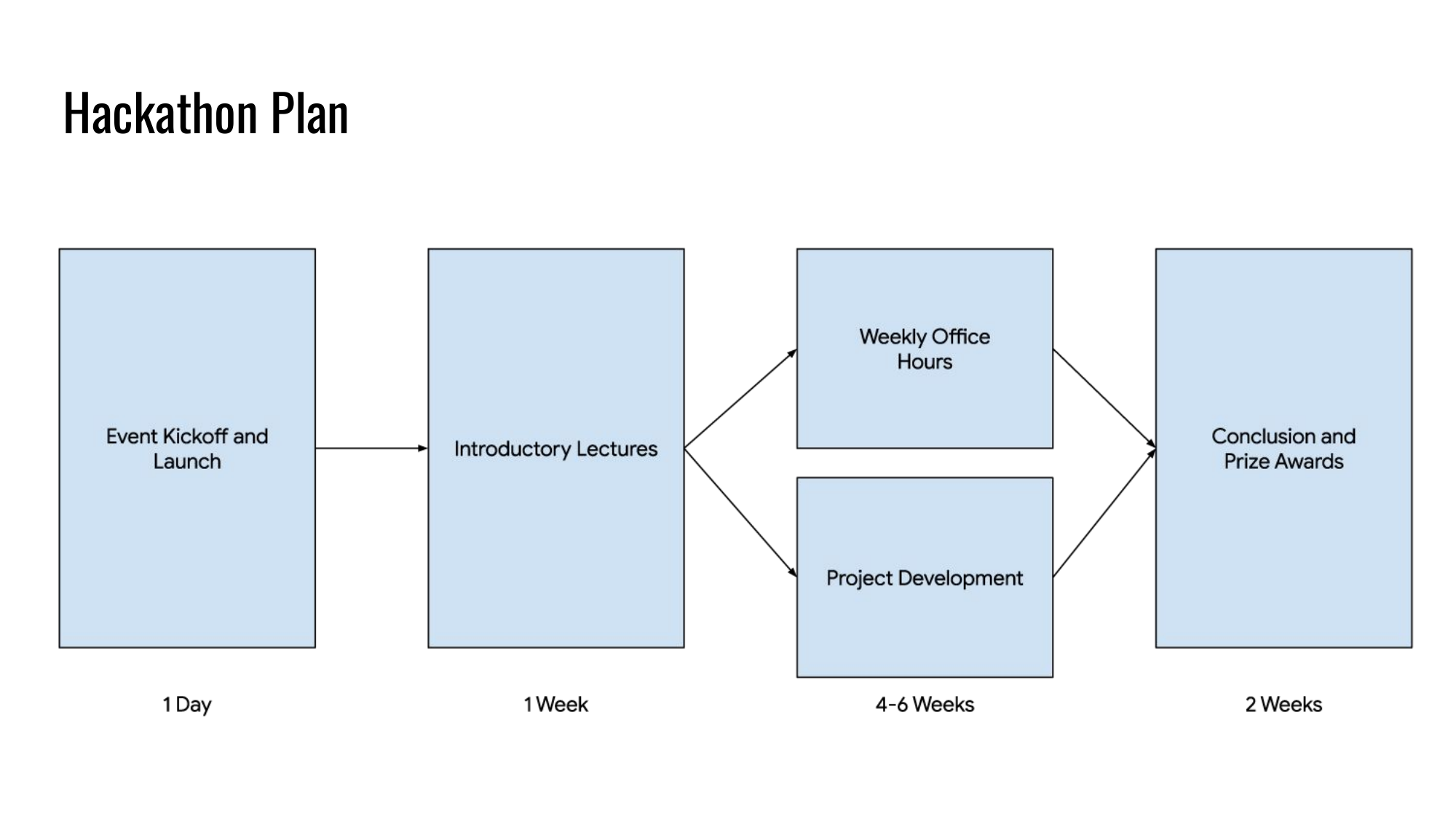
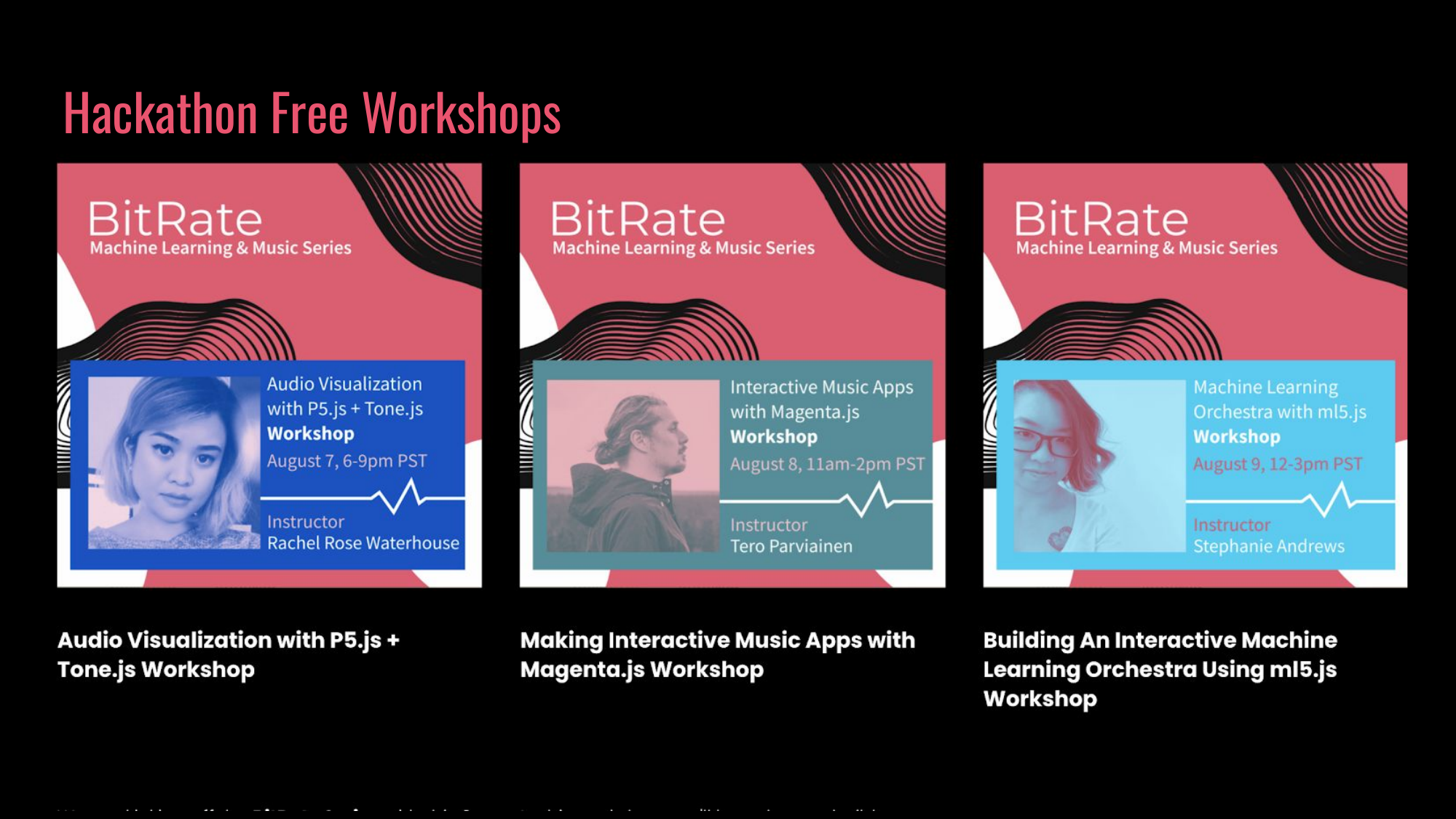
So I built the scaffolding first. The month opened with a week of free workshops: p5.js for creative coding beginners, Magenta.js for music generation, ml5.js for machine learning in the browser, each taught by a working artist or developer. Weekly office hours ran through the build period, so the moment someone got stuck there was a human to ask. Only then came project development, submissions, and awards.
The judging criteria did positioning work too. Alongside creativity and technical complexity, every project was judged on social value: how the work used machine learning and music to make the world a little better. Prizes included cash, Google hardware, and the one that mattered most, presenting your project directly to the Magenta team at Google Research.
Outcomes
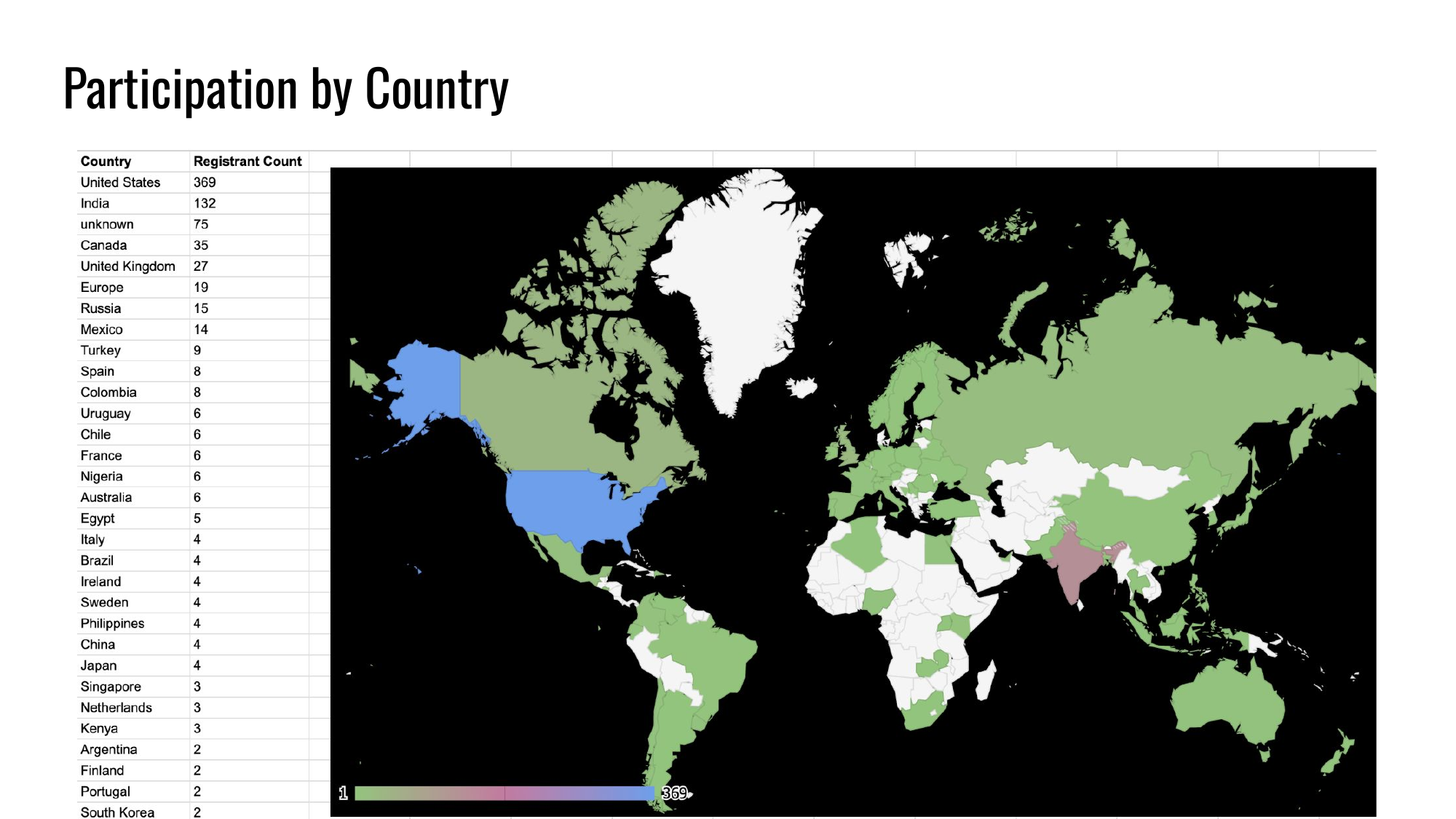
825 people registered from dozens of countries, from the United States and India to Kenya, Uruguay, and South Korea. Complete beginners shipped working ML music applications with public code repos and demo videos. The event ran entirely remote, on a nonprofit budget, in the middle of a pandemic, and the full program is still archived on Devpost.
What I carried forward
BitRate taught me the design pattern I have been scaling ever since: lower the cost of trying something new before anyone signs up, put real experts within reach, and give people a stage worth building for. Five years later I use the same pattern inside Intuit at Global Engineering Days, where 8,500 technologists build and test AI projects across 13 global sites. The tools change. The way people learn to believe they can build does not.
Collaborators
Produced with the Gray Area team and Google Research's Magenta team, including Douglas Eck, Jesse Engel, Kristin McCollum, and Sehmon Burnam, with workshops taught by Rachel Rose Waterhouse, Tero Parviainen, and Stephanie Andrews.