• Work
  • Story
  • Writing
  • Teaching
  • Archive
  • Ping Me
Menu

Niki Selken

  • Work
  • Story
  • Writing
  • Teaching
  • Archive
  • Ping Me
DSC09191.jpeg

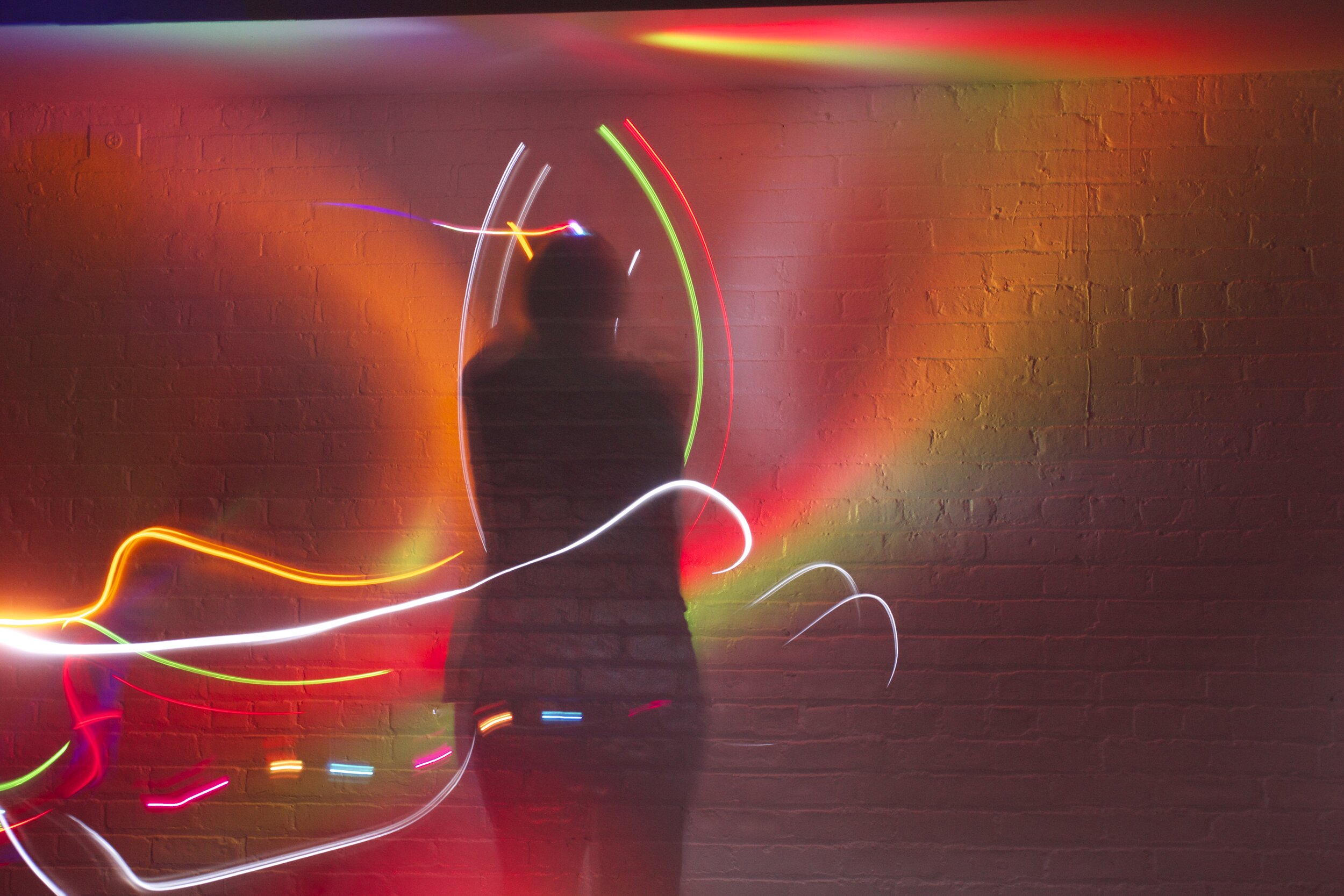
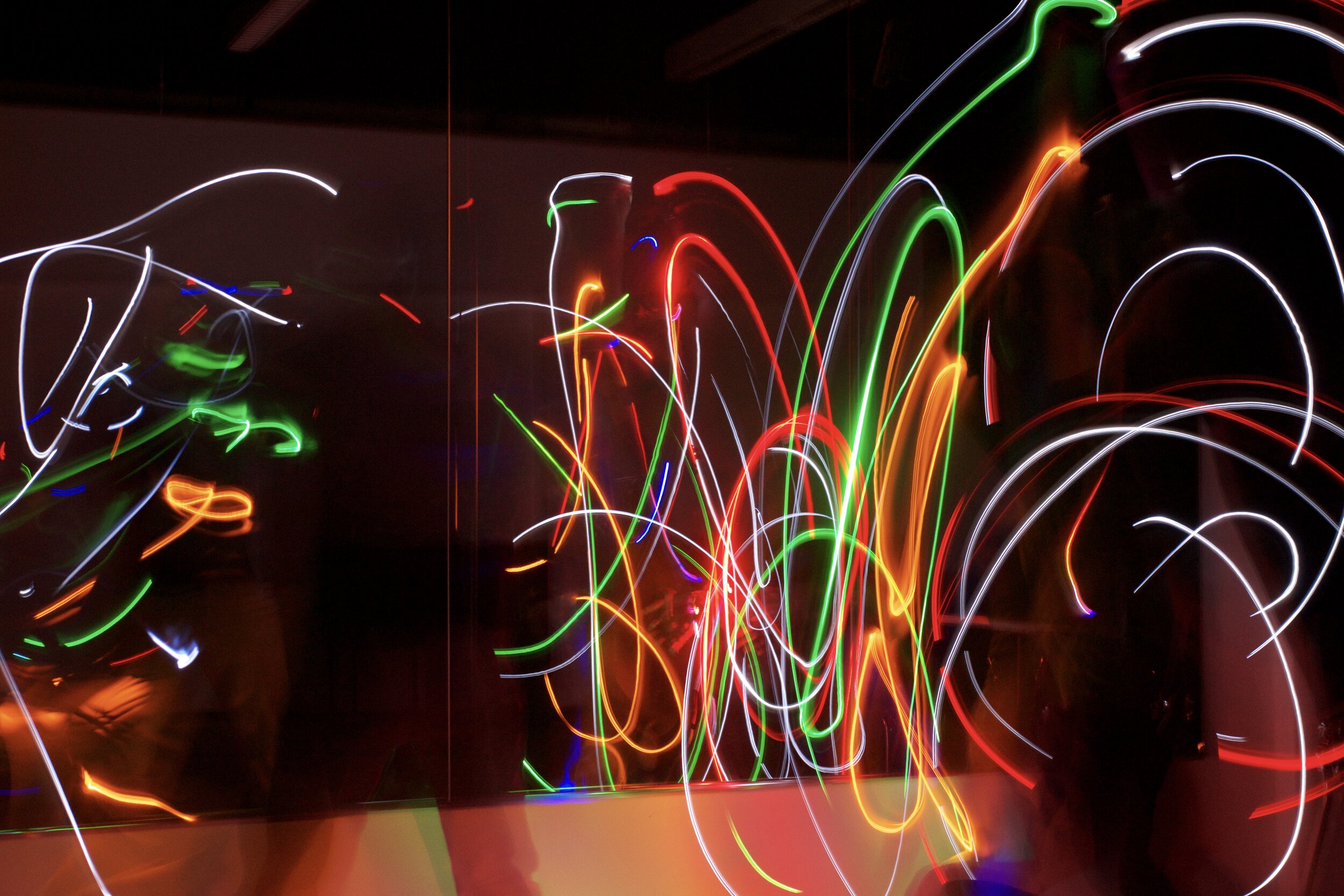
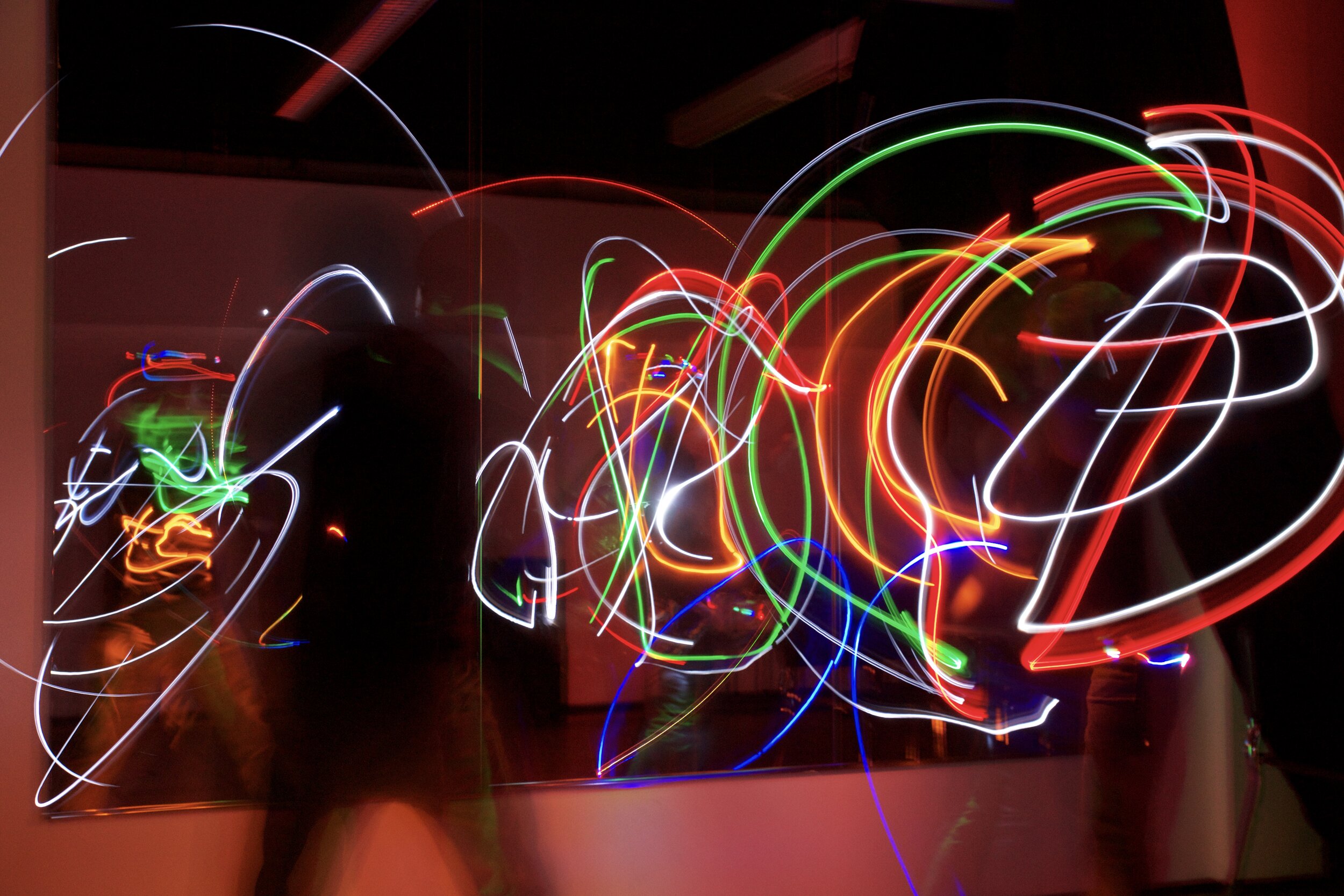
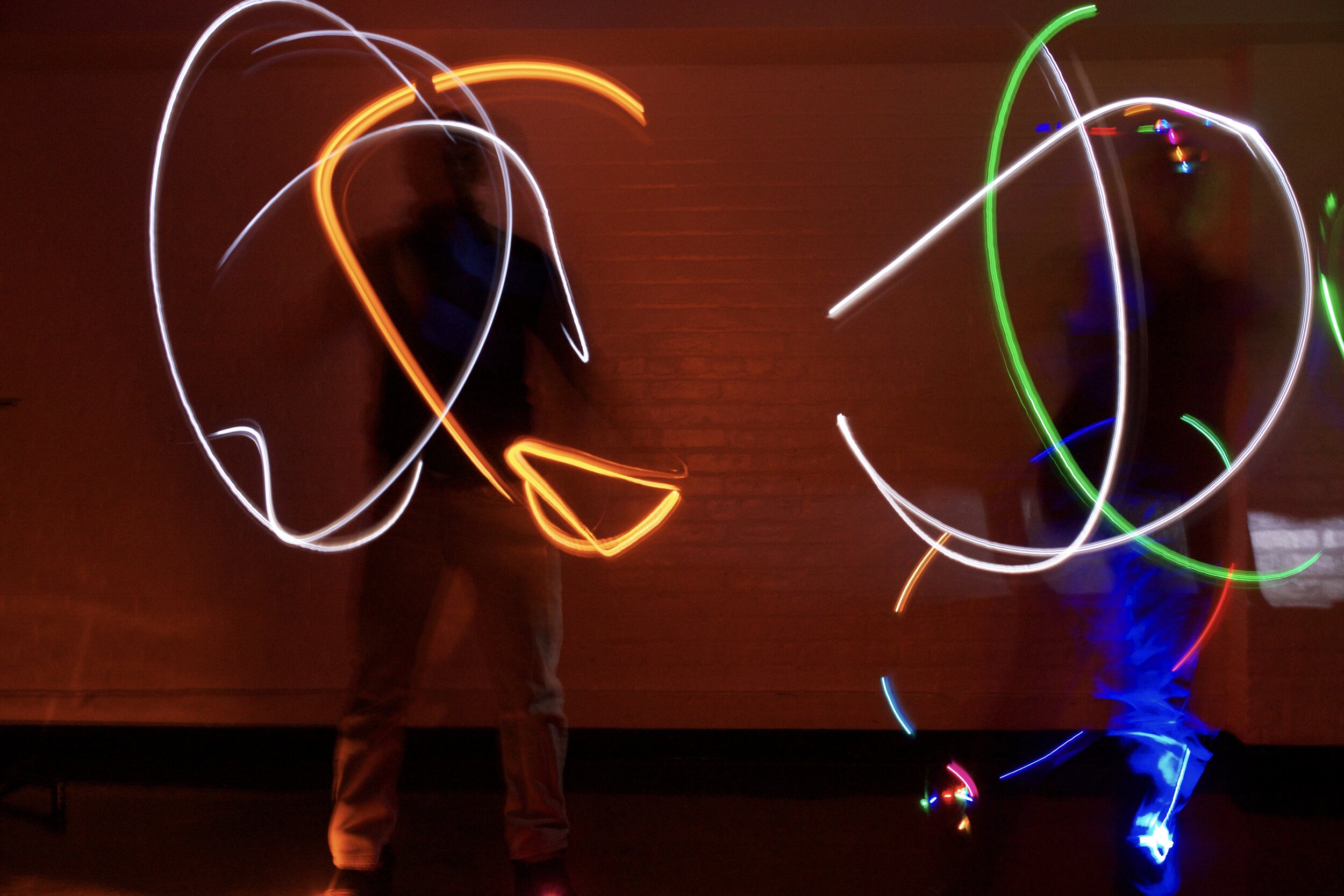
Dance and Light Experiments

November 6, 2013
View fullsize fullsizeoutput_17a.jpeg
View fullsize fullsizeoutput_956.jpeg
View fullsize fullsizeoutput_94b.jpeg
View fullsize fullsizeoutput_947.jpeg
View fullsize DSC09201.jpeg
View fullsize fullsizeoutput_945.jpeg
View fullsize DSC09203.jpeg
View fullsize fullsizeoutput_92f.jpeg
View fullsize fullsizeoutput_92b.jpeg
Source: http://nikiselken.com/wp-content/uploads/2...
In Design, Wearables, PERFORMANCE Tags led, light, dance, physical computing
← Mastery Object and Concept MapThe Long Walk: Mapping Hunters Point, a food desert →

Subscribe

Thank you!

AI Design

Virtual  Reality

Game Design

Emoji Art and Design

Museum Interaction Design

Thesis

What I'm Thinking About

Parsons MFAD+T Projects

No results found

Fresh Posts

A lot of the AI conversation right now is about what machines can create.

This story is about what they might help us recover.

Researchers at Santa Clara University have developed an AI Provenance Assistant to help researchers trace artworks stolen
A lot of the AI conversation right now is about what machines can create. This story is about what they might help us recover. Researchers at Santa Clara University have developed an AI Provenance Assistant to help researchers trace artworks stolen during the Nazi era—searching across fragmented historical records and surfacing connections that might otherwise take enormous amounts of time to find. The AI doesn’t decide who owns a work. Humans still have to verify the evidence. But it can help researchers find the evidence. To me, this is a much more interesting vision of AI: not replacing human expertise, but giving people new ways to navigate enormous amounts of human knowledge. And sometimes, helping recover a history someone tried to erase. Read the full NPR story at the 🔗 link in my bio. #ArtificialIntelligence #AI #ArtHistory #DigitalHumanities #CulturalHeritage
Today is the date Ray Bradbury imagined. August 5, 2026. In There Will Come Soft Rains, an automated house wakes, cooks breakfast, cleans, and reads poetry—long after the people it was built to serve are gone. On August 5th I awoke to a calendar reminder with a link to the story. I don’t remember making the event, but my past self was telling my future self something. So I think it’s worth taking a few minutes to read or listen to this short story. Written in 1950, the story feels eerily close today, as we live alongside AI assistants, smart homes, and increasingly autonomous systems. The machines work perfectly. The humans are gone. For perhaps the most fitting voice to guide us through Bradbury’s future, Leonard Nimoy reads the story in this haunting 1975 recording. 🎧 Listen to the complete recording through the link in my bio. Now that we’ve reached Bradbury’s imagined date, what part of his vision feels most relevant today? Audio: Leonard Nimoy reads Ray Bradbury’s There Will Come Soft Rains, originally released by Caedmon Records in 1975. #RayBradbury #LeonardNimoy #ThereWillComeSoftRains #August52026 #AI SpeculativeFiction ArtificialIntelligence SmartHomes FutureOfTechnology Bookstagram ClassicLiterature DystopianFiction

What I'm Thinking About

  • AI Design (1)
  • Arts for Survival (1)
  • DJing (1)
  • Ko Labs Theater Collective (1)
  • Music Blog (1)
  • Teaching (1)
  • VR (1)
  • Game Design (2)
  • MUSIC (2)
  • Museum Interaction Design (2)
  • Wearables (3)
  • PERFORMANCE (4)
  • Web Design and Code (6)
  • Major Studio 2 (10)
  • Design (16)
  • Parsons MFADT (16)